40 mesh filter
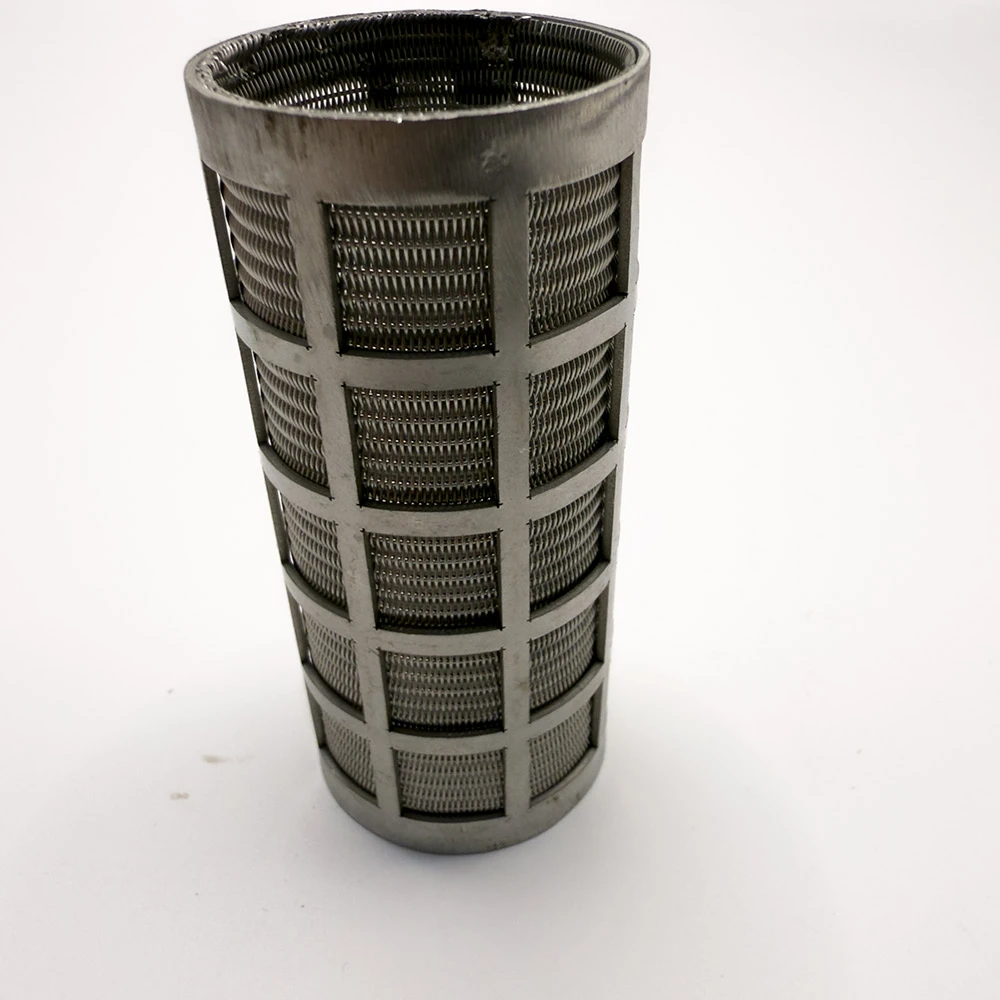
Introduction to Advanced Sintered Mesh Filtration Solutions In critical industrial applications where precision, durability, and high-performance filtration are paramount, the sintered mesh filter stands out as a superior solution. These advanced filtration components are engineered to deliver unparalleled efficiency in demanding environments, offering robust mechanical strength, excellent thermal stability, and exceptional corrosion resistance. Essential across sectors ranging from petrochemical and pharmaceutical to aerospace and food processing, sintered mesh technology represents a significant leap forward from conventional filtration media, enabling optimized process flows and safeguarding product purity. This article delves into the intricate details of sintered mesh filters, exploring their manufacturing prowess, technical specifications, diverse applications, and the distinct advantages they offer to B2B decision-makers and engineering teams seeking reliable, long-term filtration solutions. The Meticulous Process Flow of Sintered Mesh Filter Manufacturing The production of a sintered mesh filter is a highly controlled, multi-stage process that leverages advanced metallurgical techniques to create a robust and precisely engineered filtration medium. This manufacturing excellence ensures the final product meets the stringent requirements of various industrial applications. 1. Material Selection The foundation of any high-performance filter begins with meticulous material selection. Common materials include various grades of stainless steel (e.g., 304, 316, 316L for superior corrosion resistance and elevated temperature operations), as well as high-nickel alloys such as Hastelloy, Inconel, Monel, and Titanium for extremely corrosive or high-temperature environments. These materials are chosen for their specific properties, such as chemical inertness, exceptional mechanical strength, and thermal resilience, ensuring the sintered mesh filter element can withstand the most arduous operational conditions. 2. Mesh Weaving and Stacking Precision-woven wire mesh sheets are the primary components, manufactured with highly accurate and consistent pore sizes that directly dictate the filtration rating of the final product. Multiple layers of these woven meshes, often combined with a perforated metal sheet for enhanced structural support, are precisely stacked. A typical multi-layered design might involve a protection layer, a finely woven control layer (for precise filtration), a dispersion layer, and a robust support layer. This stratified arrangement creates a gradient filtration effect, significantly enhancing dirt-holding capacity and ensuring superior structural integrity for optimal filtration performance. 3. The Sintering Process This is the core of the manufacturing process and where the 'sintered' characteristic originates. The precisely stacked mesh layers are subjected to elevated temperatures, typically in a vacuum furnace or an inert gas atmosphere (e.g., hydrogen, argon), below the melting point of the individual wires. During this carefully controlled sintering process, solid-state diffusion occurs at the contact points between the interwoven wires and between adjacent layers. This metallurgical bonding fuses them together, forming a highly stable, rigid, and uniformly porous structure. Crucially, this process eliminates the need for binders or adhesives, ensuring the chemical purity of the media and significantly enhancing its mechanical strength and thermal stability. 4. Forming and Fabrication (CNC Machining & Welding) After the sintering step, the now rigid sintered plates or sheets undergo further processing to achieve their final configuration. This involves a range of advanced fabrication techniques, including precise cutting, rolling, and forming to create desired geometries such as cylinders, cones, discs, or custom shapes. Modern manufacturing often employs CNC machining to achieve high dimensional accuracy for intricate designs. Specialized welding processes, such as TIG (Tungsten Inert Gas) welding or laser welding, are critical for securely joining filter elements, attaching end fittings, and ensuring leak-proof construction of the final filter assembly. This stage demands exceptional craftsmanship to maintain the integrity of the sintered media. 5. Quality Control and Testing Standards Rigorous quality control is applied at every stage of production. Finished products undergo comprehensive testing to ensure full compliance with international standards, including ISO (e.g., ISO 2941 for verification of collapse/burst resistance, ISO 2942 for fabrication integrity, ISO 2943 for material compatibility with fluids) and ANSI. Key tests include bubble point testing for precise pore size distribution, permeability testing for accurate flow characteristics and pressure drop, structural integrity testing to confirm mechanical robustness, and material composition analysis. These stringent tests are vital to guarantee the filter’s performance, reliability, and extended service life in critical target industries such as petrochemical, metallurgy, and water supply & drainage. The inherent advantages realized here include significant energy saving through optimized flow and reduced pressure drops, coupled with exceptional corrosion resistance, leading to an extended operational lifespan and substantially reduced maintenance requirements. Technical Specifications and Performance Parameters The efficacy of any filtration system hinges on the precise technical specifications of its components. Sintered mesh filters are characterized by a range of critical parameters that define their suitability for specific, often extreme, industrial applications. Understanding these parameters is crucial for engineers and procurement specialists to select the optimal solution. Filtration Rating: Typically ranges from 0.5 to 200 microns, offering highly precise removal of particulates. Absolute filtration ratings, indicating the largest particle that can pass, are common for critical applications where complete removal is essential. Operating Temperature: Engineered to withstand extreme temperatures, often continuously up to 500°C (932°F) or even higher for specialized alloys like Inconel. This makes them indispensable for high-temperature gas filtration and other thermal processes. Pressure Resistance: Designed to endure high differential pressures without structural deformation, with burst pressures frequently exceeding 10 MPa (1450 psi). This ensures integrity and reliability under demanding process conditions and pressure surges. Corrosion Resistance: Exhibit superior resistance to a wide array of corrosive chemicals, strong acids, and alkalis, particularly when manufactured from advanced materials such as 316L stainless steel, Hastelloy, and Monel. Mechanical Strength: The unique sintering process fuses the mesh layers into a monolithic, rigid structure, providing exceptional mechanical strength and resistance to deformation, collapse, and fatigue. Porosity and Permeability: Precisely controlled during manufacturing, these parameters directly influence flow rate and pressure drop across the filter medium. Porosity can range from 25% to 60%, tailored to specific flow requirements. Cleanability and Regenerability: Possess excellent backwashability due to their rigid, interconnected pore structure, allowing for effective regeneration and significantly extended service life, which translates into substantial operational cost reductions. Typical Sintered Mesh Filter Specifications Overview Parameter Range/Typical Value Unit of Measure Notes Filtration Rating (Absolute) 0.5 - 200 Microns (µm) Precise particulate removal Operating Temperature Range -200 to +500 °C Dependent on alloy; higher for Inconel/Hastelloy Max. Differential Pressure Up to 10 (1450 psi) MPa Customizable for specific pressure ratings Porosity Percentage 25 - 60 % Optimized for flow rate and dirt-holding capacity Media Thickness (Multi-layer) 1 - 5 mm Variable based on specific multi-layer constructions Standard Material Options 304, 316L, Hastelloy, Monel, Inconel, Titanium N/A Selected for chemical compatibility and thermal performance Industry Trends and Innovations in Filtration Technology The global industrial filtration market is experiencing dynamic growth, driven by increasingly stringent environmental regulations, a heightened focus on process efficiency, and the demand for higher product purity across various sectors. Within this rapidly evolving landscape, sintered mesh technology is consistently at the forefront of innovation, adapting to and driving new market demands. Key Trends Shaping the Future of Industrial Filtration: Miniaturization and High-Density Filtration: There is a growing demand for compact filtration systems that offer high flow rates and finer filtration capabilities within smaller footprints. Sintered mesh's exceptional structural integrity and customizable pore geometries make it ideally suited for intricate designs required in these space-constrained applications. Advanced Materials Development: Continuous research is being invested in novel alloys, ceramic-metal composites, and specialized coatings to further enhance chemical resistance, thermal stability, and mechanical properties, pushing the boundaries of operational limits in extreme environments. Sustainability and Regenerability: An increasing emphasis is placed on filter media that can be efficiently cleaned and reused multiple times, significantly reducing waste generation and operational costs. Sintered mesh's inherent backwashability and robust structure position it as a highly environmentally friendly and economically viable choice. Integration of Smart Filtration Systems: The future of filtration involves the integration of advanced sensors and IoT (Internet of Things) technologies for real-time monitoring of filter performance, predictive maintenance scheduling, and optimized replacement cycles. This enhances operational intelligence and reduces unplanned downtime. Application-Specific Customization: A prominent trend is the growing need for bespoke filtration elements precisely tailored to unique process parameters, specific flow characteristics, and complex contaminant profiles. This requires advanced manufacturing flexibility and engineering expertise. According to recent market analyses, the global industrial filtration market is projected to reach over USD 40 billion by 2028, with metallic and ceramic filters, including sintered mesh, showing robust growth. This growth is predominantly driven by their proven superior performance in extreme conditions and their long-term cost-effectiveness. This trend underscores the increasing reliance on durable and highly efficient filtration solutions across all industrial sectors. Diverse Application Scenarios and Target Industries The versatility and robust performance characteristics of sintered mesh filters make them indispensable across a broad spectrum of industrial applications. Their unique ability to operate reliably and efficiently in harsh conditions—including high temperatures, extreme pressures, and corrosive chemical environments—significantly distinguishes them from conventional filter media. Key Target Industries and Critical Applications: Petrochemical and Chemical Processing: Extensively utilized for critical processes such as catalyst recovery, highly demanding polymer melt filtration (where high viscosity and temperature are common), crude oil refining, and the purification of aggressive chemicals. The superior corrosion resistance and thermal stability of sintered mesh are absolutely critical in these environments, leading to significant energy saving by optimizing process streams and drastically reducing costly downtime. Power Generation: Essential for high-temperature gas filtration (e.g., hot gas cleanup in advanced coal gasification processes), efficient steam filtration, and the crucial protection of sensitive turbine components from particulate contamination. Pharmaceutical and Biotechnology: Employed for sterile filtration, clarification of complex fermentation broths, and the ultra-purification of Active Pharmaceutical Ingredients (APIs) where absolute cleanliness, integrity under repeated sterilization cycles, and inertness are paramount. Food & Beverage: Applied for clarifying a wide range of beverages, filtering edible oils, and ensuring stringent product purity in various food processing stages. Often, these applications demand filters made from FDA-compliant materials. Metallurgy: Critical in processes such as molten metal filtration to remove inclusions and protect vacuum furnaces, where operations occur at extremely high temperatures and with aggressive media. Water Treatment and Wastewater Management: Used for advanced filtration in industrial wastewater treatment, process water purification, and as a robust pre-treatment stage in desalination plants, leveraging their superior corrosion resistance for extended longevity. Aerospace and Aviation: Integral for hydraulic fluid filtration, critical fuel filtration, and the protection of sensitive pneumatic systems, where uncompromising reliability and performance under extreme operational conditions are non-negotiable. Plastics and Polymer Production: Key for the filtration of high-viscosity polymer melts to remove microscopic impurities and ensure consistent product quality, even at elevated temperatures and pressures typical in extrusion processes. In these diverse and critical applications, the advantages of sintered mesh are consistently clear: a dramatically extended service life compared to disposable filters, significant reductions in operational costs through their exceptional cleanability, and enhanced overall process efficiency due to their consistent and reliable filtration performance over time. Core Technical Advantages of Sintered Mesh Filters When evaluating filtration solutions for demanding industrial environments, the distinct technical advantages of sintered mesh screen technology unequivocally position it as a premium choice. These inherent advantages translate directly into significant operational efficiencies, measurable cost savings, and ultimately, enhanced product quality and process reliability. Unmatched Mechanical Strength and Structural Integrity: The unique sintering process creates a fused, monolithic structure from multiple layers of wire mesh. This provides unparalleled rigidity and exceptional resistance to collapse, deformation, or fatigue under high differential pressures, rapid flow surges, or mechanical stress, a significant advantage over conventional woven meshes or non-sintered media. Exceptional Thermal Stability and Performance: Sintered mesh filters are capable of operating continuously at extremely high temperatures, often exceeding 500°C (932°F) and even higher for special high-nickel alloys. This makes them indispensable for critical applications such as hot gas filtration, molten polymer filtration, and high-temperature steam processing. Superior Corrosion and Chemical Resistance: Manufactured from high-grade materials like various stainless steels (e.g., 316L), Hastelloy, Monel, or Inconel, these filters exhibit excellent resistance to a wide array of aggressive corrosive chemicals, strong acids, alkalis, and solvents. This ensures an extended service life in even the most challenging chemical processes. Precise and Consistent Filtration Rating: The tightly controlled manufacturing process, from precision weaving to advanced sintering, ensures a highly uniform pore size distribution across the filter media. This leads to exceptionally consistent and reliable filtration efficiency, which is absolutely critical for sensitive processes and maintaining product quality. Excellent Backwashability and Regenerability: The rigid and interconnected pore structure of sintered mesh allows for highly effective backwashing and various cleaning methods. This characteristic enables repeated reuse of the filter element, significantly extending its service life and thereby reducing replacement costs, minimizing waste generation, and improving sustainability. High Porosity and Optimized Permeability: Sintered mesh designs are carefully optimized to achieve high porosity, which results in lower pressure drops and consequently higher flow rates compared to many other rigid filter media. This directly contributes to greater energy efficiency and reduced operational load on pumps and compressors. Extended Service Life and Reduced Downtime: Due to their inherently robust construction, superior resistance to fouling, and outstanding regenerability, sintered mesh filters often offer a service life many times longer than that of disposable filter cartridges. This translates into minimized process downtime, reduced maintenance frequency, and lower overall total cost of ownership. Vendor Comparison and Differentiation Selecting the right supplier for sintered mesh filter components is as critical as understanding the technology itself. A discerning and thorough evaluation of potential vendors ensures optimal performance, unquestionable reliability, and long-term value for complex industrial operations. Several key factors effectively differentiate leading manufacturers in this highly specialized field. Critical Factors for Vendor Assessment: Quality Certifications & Compliance: A top-tier vendor will demonstrate adherence to stringent international standards, including ISO 9001 for comprehensive quality management, CE marking for products destined for European markets, and other industry-specific certifications such as FDA compliance for food and pharmaceutical applications. Material Traceability: Assurance of raw material quality and precise origin is paramount. A reputable supplier will provide complete traceability from the initial material melt through to the final finished product, ensuring transparency and accountability. Customization Capabilities & Engineering Expertise: The ability to design and precisely manufacture bespoke filter elements tailored to highly unique process requirements in terms of size, complex geometries, specific material alloys, precise pore size, multi-layer configurations, and specialized end fittings. Research & Development (R&D) Investment: Evidence of continuous innovation, including ongoing development of new high-performance alloys, advanced fabrication techniques (e.g., additive manufacturing integration), and improved filter designs that push performance boundaries. Comprehensive Technical Support and Expertise: Availability of highly experienced engineers and metallurgists to provide expert assistance with system design, optimal material selection, process integration, and effective troubleshooting. Reliable Lead Times and Fulfillment: A demonstrated track record of reliable production schedules and efficient logistics to consistently meet project timelines and minimize disruptions. Robust After-Sales Support & Warranty: Offering comprehensive warranty programs, responsive support for maintenance, effective cleaning guidance, and readily available replacement parts to ensure long-term operational peace of mind. Comparative Analysis: Sintered Metal Mesh vs. Other Filter Media Feature Sintered Metal Mesh Woven Wire Mesh (Non-Sintered) Pleated Paper/Fabric Cartridges Ceramic Filters Mechanical Strength Excellent (Rigid, self-supporting, high collapse pressure) Good (Flexible, prone to deformation under high load) Low (Fragile, requires robust support structure) Very Good (Rigid but brittle, susceptible to shock) Temperature Resistance Very High (up to 500°C+, dependent on alloy) High (Limited by material's softening point) Low (Limited by organic binders/media degradation) Extremely High (Excellent thermal stability) Corrosion & Chemical Resistance Excellent (alloy dependent, wide chemical compatibility) Good (alloy dependent, less robust than sintered) Poor (prone to chemical attack and degradation) Excellent (acid/base resistant, but can be etched) Cleanability/Reusability Excellent (Backwashable, ultrasonic, chemical cleaning) Fair (Can be cleaned, but less robust/efficient) Poor (Typically disposable, not designed for cleaning) Good (Can be backwashed, but porous structure can retain foulants) Filtration Precision Very High (Absolute ratings possible, consistent pore size) High (Nominal ratings, less consistent pore size) Moderate to High (Depth filtration, less precise) High (Surface filtration, but can have wider pore distribution) Cost (Initial vs. LCC) Higher initial, significantly lower Life Cycle Cost (LCC) Moderate initial, moderate LCC Low initial, high LCC (due to frequent replacement) High initial, moderate LCC (due to fragility/cleaning challenges) Tailored Sintered Mesh Filter Solutions Recognizing that no two industrial processes are truly identical, leading manufacturers specialize in providing highly customized sintered filter tube and other geometries. This bespoke approach ensures that the filtration solution precisely matches the unique and often complex requirements of each specific application, thereby maximizing efficiency, optimizing performance, and integrating seamlessly into existing infrastructure. Key Customization Parameters and Options Include: Dimensions and Geometry: From standard cylindrical tubes, flat discs, and plates to intricate pleated configurations, conical shapes, and complex customized flow path designs. Lengths, diameters, wall thicknesses, and overall dimensions can be precisely engineered to fit specific vessel or housing limitations. Material Alloys: A comprehensive selection of specific stainless steels (e.g., 304, 316L, 310S), Duplex steels, Inconel, Hastelloy, Monel, or Titanium alloys is available. The choice of material is critical for providing optimal chemical compatibility, high-temperature resistance, and mechanical strength tailored to the specific fluid or gas being filtered and the operating environment. Filtration Rating (Pore Size): Fine-tuning the absolute pore size from sub-micron levels (e.g., 0.5 microns) up to hundreds of microns (e.g., 200 microns) is possible. This allows for achieving the exact desired level of particulate removal and optimizing specific flow characteristics, balancing precision with throughput. Layer Configuration and Design: The capability to design sophisticated multi-layer structures with varying mesh specifications. For instance, a robust support layer, a precise control layer for filtration, and a protective layer can be combined to optimize overall filtration efficiency, maximize dirt-holding capacity, and ensure structural longevity. End Fittings and Connections: Custom fabrication of a wide array of end connections is offered, including various threaded types (e.g., NPT, BSP), flange connections (e.g., ANSI, DIN), Double Open End (DOE) and Single Open End (SOE) designs, weld-on caps, and custom adapter plates. This ensures seamless integration into existing filtration systems without extensive modifications. Surface Treatments: Optional post-sintering surface treatments can be applied for enhanced properties. Examples include electropolishing for improved cleanability and reduced particle adhesion in ultra-hygienic or pharmaceutical applications, or specific coatings for increased abrasion resistance. The customization process typically involves a detailed collaborative consultation with expert filtration engineers. This allows for a thorough understanding of the specific process conditions, fluid properties, contaminant characteristics, and precise performance objectives. This highly collaborative engineering approach ensures the delivery of a filtration solution that is not only exceptionally effective in meeting stringent requirements but also highly efficient and remarkably cost-effective over its extensive operational lifespan. Real-World Application Case Studies The practical, tangible benefits and superior performance of sintered mesh filter technology are most clearly illustrated through real-world applications where they have significantly improved process performance, enhanced product quality, and demonstrably reduced operational costs for our clients. Case Study 1: Catalyst Recovery in Petrochemical Refining A major petrochemical plant, specializing in fluid catalytic cracking (FCC) operations, faced significant challenges with the ongoing loss of valuable catalyst particles from its reactor. This not only led to environmental concerns due to emissions but also resulted in substantially high operational expenditures from constant catalyst replenishment. Traditional disposable filtration methods proved woefully ineffective under the high-temperature (up to 450°C) and corrosive conditions, necessitating frequent and costly shutdowns for filter replacement. Solution Implemented: Custom-designed 316L stainless steel sintered mesh filter elements with a precise 10-micron filtration rating were installed. These elements were specifically engineered to withstand the extreme process conditions, including high temperatures and corrosive chemical exposure. Quantifiable Results: Following the installation, the plant achieved an impressive catalyst recovery efficiency of over 99.5%, drastically reducing catalyst losses by 70%. The sintered elements demonstrated superior mechanical integrity and exceptional corrosion resistance, extending the filter service life from an average of 3 months to over 2 years. This resulted in annual savings exceeding $1.5 million in catalyst costs alone and reduced maintenance-related downtime by a remarkable 85%. Case Study 2: High-Temperature Gas Filtration (HTGF) in a Waste-to-Energy Plant A modern waste-to-energy facility was struggling with the efficient and compliant removal of fine particulate matter from its hot combustion gases (operating at approximately 300°C) before releasing them into the atmosphere. Existing ceramic filters frequently experienced severe clogging and were alarmingly prone to brittle fracture due to thermal cycling and mechanical stress, leading to instances of emission non-compliance and exceptionally costly replacements. Solution Implemented: The problematic ceramic filters were replaced with custom-fabricated Hastelloy-X sintered mesh filter elements. These new elements were specifically designed with enhanced mechanical strength and outstanding thermal shock resistance to endure the fluctuating temperatures and abrasive particulates inherent in the process. Quantifiable Results: The Hastelloy sintered mesh filters consistently maintained excellent filtration efficiency, reliably meeting stringent emission standards without premature clogging or requiring frequent shutdowns. The robust nature of the sintered Hastelloy eliminated all previous issues of brittle fracture, extending the mean time between failures (MTBF) by an impressive 300%. Customer feedback specifically highlighted the exceptional durability and significantly reduced need for manual cleaning due to highly effective in-situ backpulse capabilities, collectively contributing to a substantial 20% reduction in overall operational expenditures. Ensuring Trust and Reliability: Meeting Google Standards For B2B procurement and engineering teams, the reliability, credibility, and proven expertise of a filtration solution provider are as fundamentally crucial as the product's technical specifications. Our unwavering adherence to Google's (Expertise, Experience, Authoritativeness, Trustworthiness) standards forms the bedrock of our commitment to delivering superior value and peace of mind. Authoritativeness and Expertise: Certifications and Compliance: Our manufacturing processes for all sintered mesh filter products are rigorously certified under ISO 9001:2015 for quality management, ensuring consistent production standards and traceability. All raw materials meet stringent international specifications such as ASTM/ASME, and specific products are compliant with FDA requirements for applications involving food and pharmaceutical contact, demonstrating our commitment to global benchmarks. Extensive Industry Experience: With over two decades of specialized expertise in the design, engineering, and manufacturing of metallic mesh filtration solutions, we have successfully served a diverse global clientele. Our partners include numerous Fortune 500 companies within the demanding oil & gas, chemical processing, and power generation sectors, underscoring our deep-rooted industry knowledge. Partner Clients & Track Record: Our long-standing partnerships with recognized industry leaders, often spanning multiple years and complex projects, unequivocally highlight our reputation for consistently delivering high-quality, reliable filtration solutions that perform flawlessly in the most challenging and mission-critical industrial environments. Trustworthiness and Support: Frequently Asked Questions (FAQ) Q: What is the typical service life of a sintered mesh filter? A: With appropriate maintenance, regular cleaning, and adherence to recommended operational parameters, our sintered mesh filters are engineered to last for several years, often exceeding 5-10 years. Their design for repeated regeneration significantly contributes to this extended lifespan, depending on the specific application and operating conditions. Q: How do I effectively clean a sintered mesh filter? A: Sintered filters are renowned for their exceptional cleanability. Common methods include efficient backwashing with compatible process fluid or water, advanced ultrasonic cleaning, targeted chemical cleaning (using specific acid or alkali baths), and high-pressure steam cleaning. Our dedicated technical support team can provide detailed recommendations for the optimal cleaning protocol tailored to your specific application and contaminant profile. Q: Can these filters reliably handle highly corrosive chemicals? A: Absolutely. We offer an extensive range of high-performance material options, including 316L stainless steel, Hastelloy, Monel, and Titanium. These materials are meticulously chosen for their superior resistance to a vast array of corrosive media, strong acids, and aggressive alkalis, ensuring robust performance in chemically harsh environments. Q: What are the typical lead times for customized sintered mesh filters? A: For standard product configurations, our typical lead time is between 2-4 weeks. However, for complex, highly customized solutions involving specialized materials or intricate designs, lead times can range from 6-12 weeks, depending on the availability of specific materials and the overall fabrication complexity. We prioritize clear, transparent communication regarding all project timelines. Lead Time & Fulfillment Details We maintain a highly streamlined and efficient manufacturing and supply chain process, meticulously designed to ensure timely delivery without compromising quality. Standard components are typically dispatched within 15-20 business days. For custom orders, a dedicated project management team oversees the entire process, providing regular progress updates to ensure transparent fulfillment of all contractual obligations. Expedited options are also available to accommodate urgent project requirements or critical deadlines. Warranty Commitments All our sintered mesh filter products are comprehensively backed by a robust 12-month warranty against any manufacturing defects and material failures that occur under normal operating conditions. Furthermore, extended warranty options and tailored service contracts are also available, providing our valued clients with enhanced peace of mind and unwavering assurance in their critical investment. Dedicated Customer Support & After-Sales Service Our commitment to our clients extends far beyond the point of delivery. We offer dedicated, expert technical support, which includes proactive troubleshooting assistance, detailed recommendations for optimal cleaning and maintenance procedures, and highly informed advice on continuously optimizing filtration performance throughout the product's lifespan. Our robust global service network ensures prompt, efficient, and localized assistance wherever our high-performance products are deployed. Conclusion: The Future of High-Performance Industrial Filtration The sintered mesh filter unequivocally represents the pinnacle of industrial filtration technology, offering unmatched performance, exceptional durability, and unparalleled versatility for the most demanding and critical applications across diverse sectors. From i








![$item[alt]](https://www.ccmetalmesh.com/images/cc-7691.webp "$item[title]")